Accelerating Innovation Safely: AI Coding Assistants in Healthcare

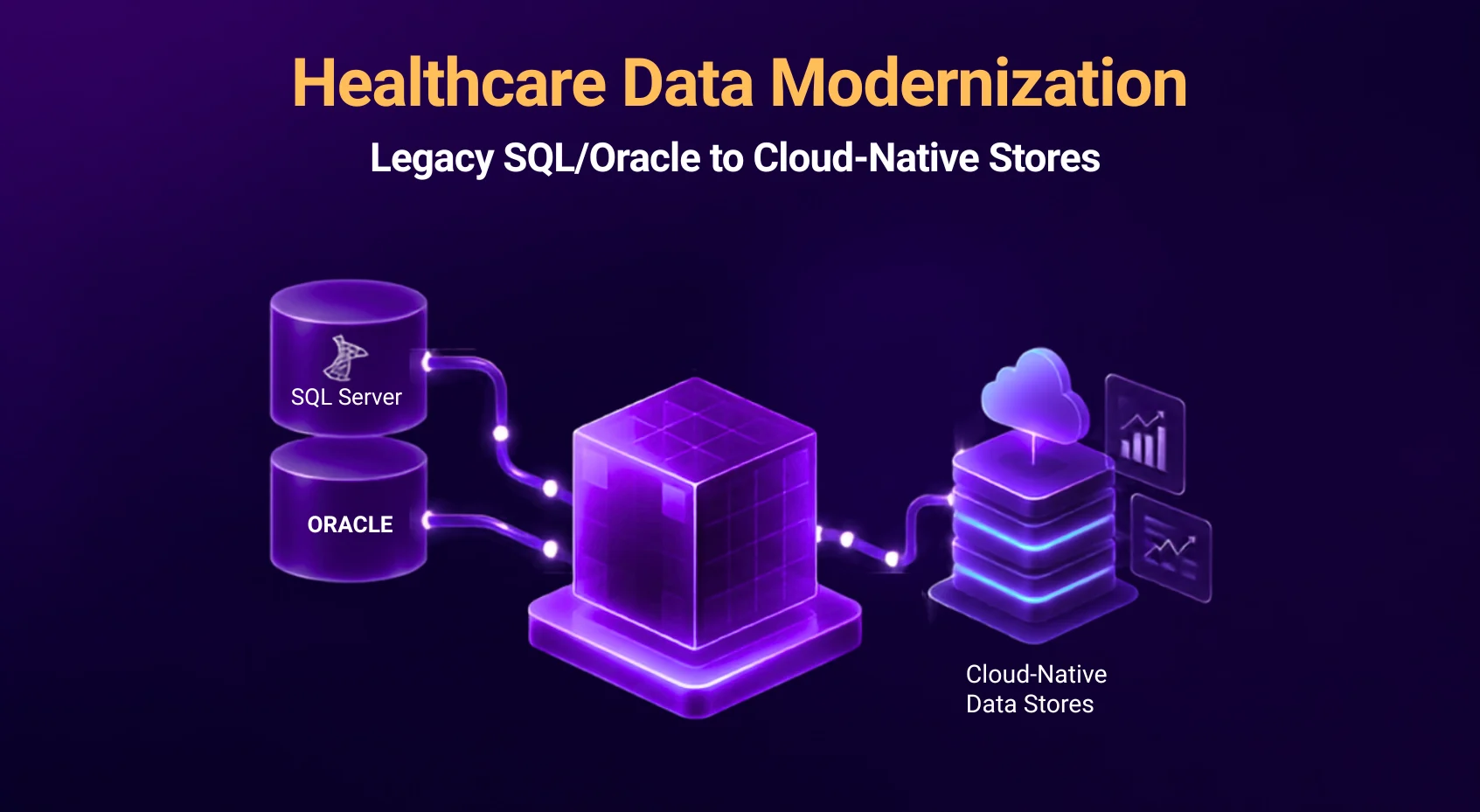
The promise of AI in software development is no longer theoretical. For healthcare organizations under pressure to modernize legacy systems and improve patient outcomes, AI coding tools offer a transformative leap forward.
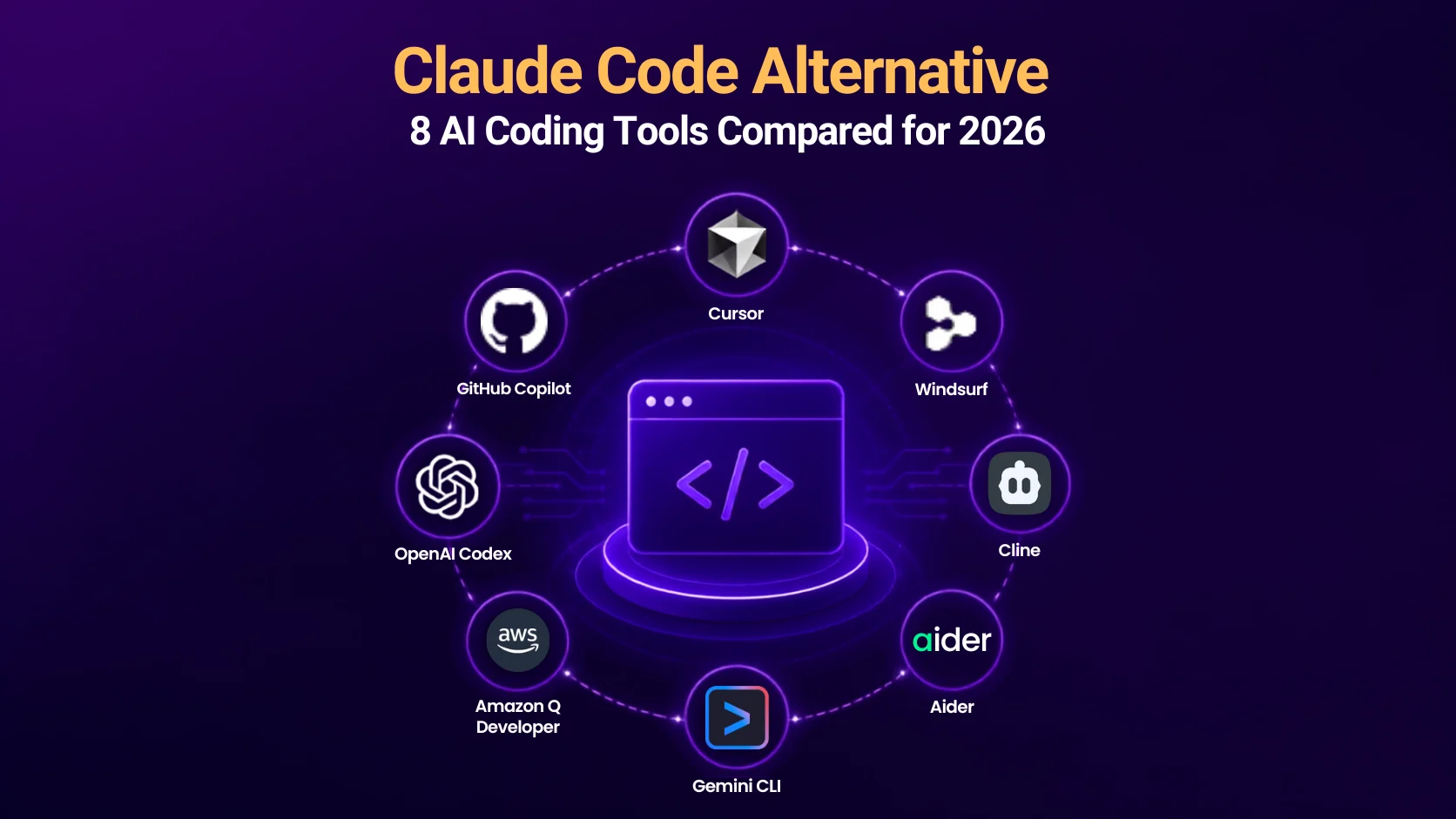
I’m specifically talking about tools like GitHub Copilot, Cursor, Windsurf, and Amazon Q, which leverage AI to help developers create code more quickly. That “help” can take the form of autocomplete or syntax checking, all the way to writing complete applications from a natural language description.
Our recently released “AI Coding Impact: 2025 Benchmark Report” suggests that adoption is widespread and while the benefits are tangible, the unique regulatory landscape of healthcare demands a sophisticated approach to adoption—one that balances velocity with rigorous safety.
This post explores how healthcare leaders can enable their organizations to benefit from AI while successfully navigating the challenges of AI-assisted development to manage quality, security, and regulatory risk.
The Data-Driven Case for AI Adoption
The report paints a compelling picture of productivity and efficiency. The healthcare industry is realizing measurable returns on AI coding assistant investments:
- Higher Velocity: Healthcare organizations are seeing a 34–44% faster time to Pull Request (PR) and a 32–42% increase in code velocity.
- Increased Productivity and Efficiency: AI enables healthcare teams to deliver 22-32% more features per sprint while increasing deployment frequency by 47-57%.
- Improved Quality: Contrary to the fear that AI generates "sloppy" code, AI-assisted development has demonstrated a slightly higher test pass rate (96% vs. 95%) and lower bug escape rate (1.8 vs. 1.9 per KLOC) compared to unassisted coding.
- ROI: With license utilization at 73%, the return on investment can be realized in as little as 3–4 months, with annual savings per developer estimated between $6,500 and $8,500,.
The Challenges: Why Healthcare is Different
Despite these gains, healthcare organizations face unique hurdles. Our report shows that across all industries healthcare has below average adoption of AI (87% vs. an average of 91% of all organizations) and the lowest acceptance rate of AI-generated code (28-33%). This likely reflects friction related to the strict regulatory environment, but it also represents an opportunity to realize greater value.
Before healthcare organizations can scale adoption of AI, three critical challenges must be addressed:
- Process Friction and Bottlenecks: AI amplifies friction in the delivery process by increasing the speed and quantity of coding. That won’t translate into bottom-line results unless downstream activities like QA, security, compliance, and deployment can accommodate that extra volume.
- Security Risk: While AI improves general quality, it introduces a higher incidence of security vulnerabilities. The security risk profile for AI-generated code is higher (6.0 vulnerabilities per 10 KLOC) compared to manual code (5.2).
- Refactoring Risks: AI tools increase the amount of code duplication (11% vs. 8% for manually written code) and often tend to rewrite entire functions when asked for simple changes. In healthcare, where every change is scrutinized and validation is critical, unnecessary code changes can break compliance protocols or audit trails.
Strategies for Addressing the Challenges
To realize the benefits of AI without compromising safety or creating regulatory roadblocks, healthcare organizations must move beyond basic usage policies and reduce friction throughout the delivery pipeline. Successful adoption requires a strategy built on smart governance through comprehensive monitoring, agentic AI controls, and human-centric safeguards.
Smart Governance Through Comprehensive Monitoring
You cannot manage what you do not measure. In healthcare, governance requires traceability from the prompt to the deployed software.
- Establish Clear Governance: Create and enforce policies governing the use of AI coding tools, with clear rules around code ownership, security and quality checks, and a strategy to throttle back AI use if it is overwhelming downstream activities.
- Track Provenance: Establish traceability across the entire delivery pipeline to trace code and content from its origin to deployment. Track data sources, version history, automated and manual changes to ensure that AI-generated artifacts are identifiable and audit-ready.
- Measure What Matters: Move beyond quantity metrics like "lines of code" delivered. Track test coverage; code churn; defect, retention and failure rates to ensure the AI is delivering value rather than just volume.
Leverage AI Agents for Risk Management
Paradoxically, the solution to AI risk is often more AI. AI “agents” are autonomous entities that are spawned to perform a particular function such as redacting PHI or fixing security vulnerabilities. Developers can run them on their desktop, and they can be spawned in delivery pipelines to ensure code meets requirements. These "agentic" controls can automate quality, security and compliance checks at a scale that human reviewers – especially those that might be overwhelmed – can’t match.
- Automated PHI Scrubbing: Implement "context engines" or scanners that act as a regulatory buffer. These agents can detect and tokenize PHI (replacing "John Smith" with "TOKEN_123") before the prompt reaches the AI model.
- Security Agents: Use AI agents to conduct continuous "red-teaming" and vulnerability scanning. These agents can identify security risks early in the lifecycle, addressing the higher vulnerability rates associated with AI code generation. To minimize bias blind spots, ensure diversity among models used for coding and validating.
- Quality and Compliance Assurance: AI agents can be tasked with "agentic coding" workflows that focus on minimizing duplicated code and potential technical debt in new code while minimizing churn in committed code.
Human-Focused Safeguards and Guardrails
AI tools are force multipliers, not replacements. Especially in high-stakes regulated environments, they require a "human in the loop" to protect against bias and hallucinations.
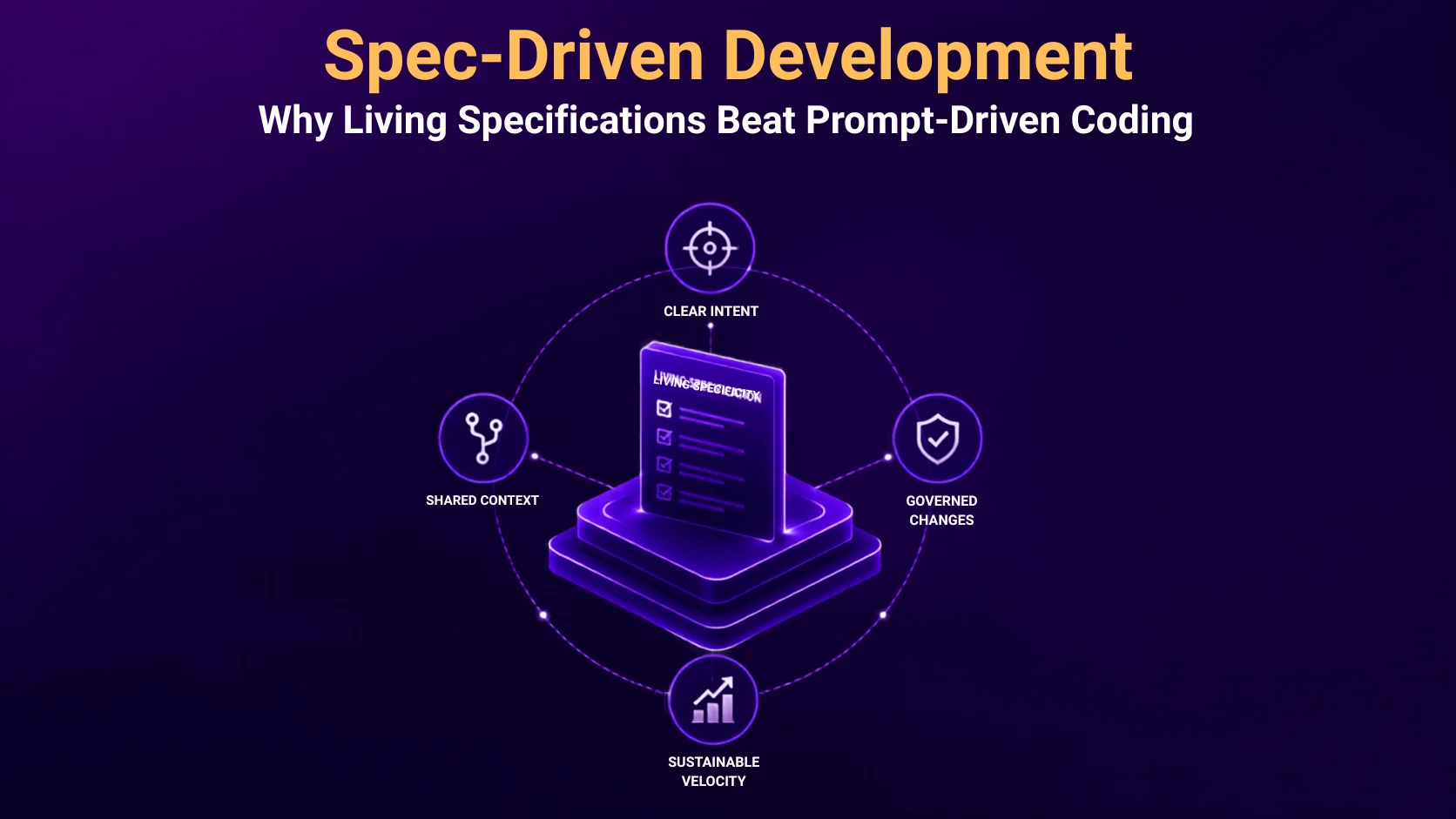
- Implementation Planning: It is essential to define clear requirements and implementation plans before coding begins. This ensures the AI is acting on a clear blueprint of business requirements and confidence levels rather than inferring or hallucinating expectations.
- Targeted Human Review: AI has its strengths and weaknesses. Focus human review on "risk areas" where AI struggles: integrations, encryption standards, consent flows, compliance and audit trail functionality.
- Training on "Context": Developers must be trained not just on how to code, but on how to manage context. This includes knowing which information and files are safe to share with the AI, and understanding that protected data may hide in development and debugging artifacts such as schemas, stack traces, logs, and comments.
Reaping the Rewards
AI coding assistants are a powerful tool to accelerate software delivery in healthcare. However, they are not "set and forget" tools. By wrapping these technologies in a framework of smart governance, automated monitoring, agentic security controls, and strict human oversight, healthcare leaders can unlock the productivity gains their organizations need without creating unmanaged quality, security, or regulatory risk.